Starting a successful crop farm from a small plot
Small farms can be highly productive when land use, input quality, and timing are carefully planned.
- Test and understand your soil.
- Choose crops that match local demand.
- Keep clear seasonal records.

Agriculture Hub
Agriculture is more than planting and harvesting. It is a tool for dignity, family income, nutrition, job creation, women empowerment, youth engagement, and community transformation. This page gathers practical agricultural articles, field ideas, and empowerment concepts that can help farmers, church groups, students, and local cooperatives build a stronger future.
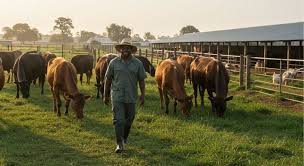
From seed selection to market access, the right knowledge can transform small farms into resilient businesses that feed homes, schools, churches, and local markets.
Sustainable agriculture strengthens nutrition, reduces poverty, creates employment, and builds local resilience against rising food prices and climate stress.
These are the pillars of a practical and profitable agriculture empowerment strategy.
Teach land preparation, seed spacing, irrigation, pest control, and post-harvest handling for stronger yields.
Support poultry, fishery, goat, sheep, and cattle projects with hygiene, feed planning, and disease prevention.
Promote mulching, water conservation, tree planting, crop rotation, and resilient seed varieties.
Move farmers beyond production into packaging, storage, processing, branding, and market negotiation.
Each article opens a modal with extended practical guidance for training, mentoring, and community use.
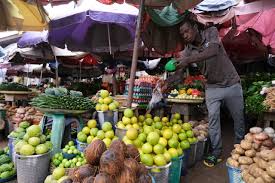
Small farms can be highly productive when land use, input quality, and timing are carefully planned.
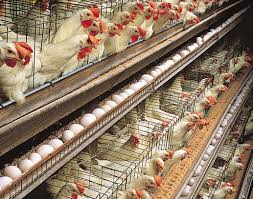
Well-managed livestock projects create fast cash flow, manure supply, protein access, and youth employment.
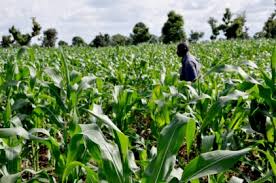
Farmers grow faster when they treat farming as a business with pricing, branding, storage, and customers.
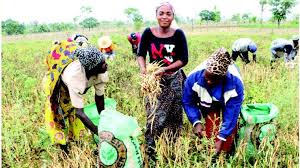
Cooperatives, training hubs, and production groups reduce risk and help farmers scale together.
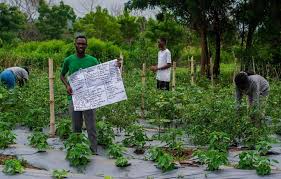
Farms become more resilient when water, organic matter, and crop diversity are managed intentionally.
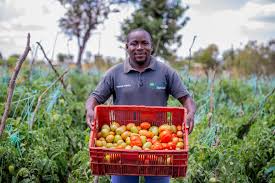
A big part of farm profit is protected after harvest through drying, storage, handling, and processing.
Sustainable results come from planning activities before, during, and after the planting cycle.
Review rainfall patterns, test soil, source quality seed, repair tools, map labour needs, and confirm target markets before the season begins.
Plant at the right depth and spacing, monitor weeds early, apply nutrients carefully, and keep simple weekly field records.
Harvest at the correct maturity, dry produce to safe moisture levels, store using clean materials, and avoid contamination.
After sales, calculate profit, save seed capital, review mistakes, and invest in better inputs, irrigation, or expansion.
Agriculture can be delivered through faith-based outreach, youth centers, schools, women groups, and cooperative platforms.
Help students learn food production, stewardship, nutrition, and entrepreneurship through practical school farms and gardens.
Create shared purchasing, shared marketing, and joint training systems that strengthen bargaining power and reduce losses.
Promote backyard gardens, vegetables, herbs, and small livestock that improve family nutrition and reduce household expenses.
Quick answers for learners, farmers, and community leaders starting agriculture initiatives.
Start with enterprises that match your local market, available space, water access, and management skill. Vegetables, poultry, and short-season crops are common entry points.
Most failures come from poor planning, low-quality inputs, weak records, late planting, disease issues, and lack of a market before harvest.
By connecting agriculture to technology, branding, digital marketing, processing, and visible profit opportunities instead of presenting it only as manual labour.
Sustainability depends on healthy soil, water management, biodiversity, sound economics, farmer training, and long-term stewardship of the land.